
Introduction to Wearable Technology in Healthcare
What Is Wearable Tech?
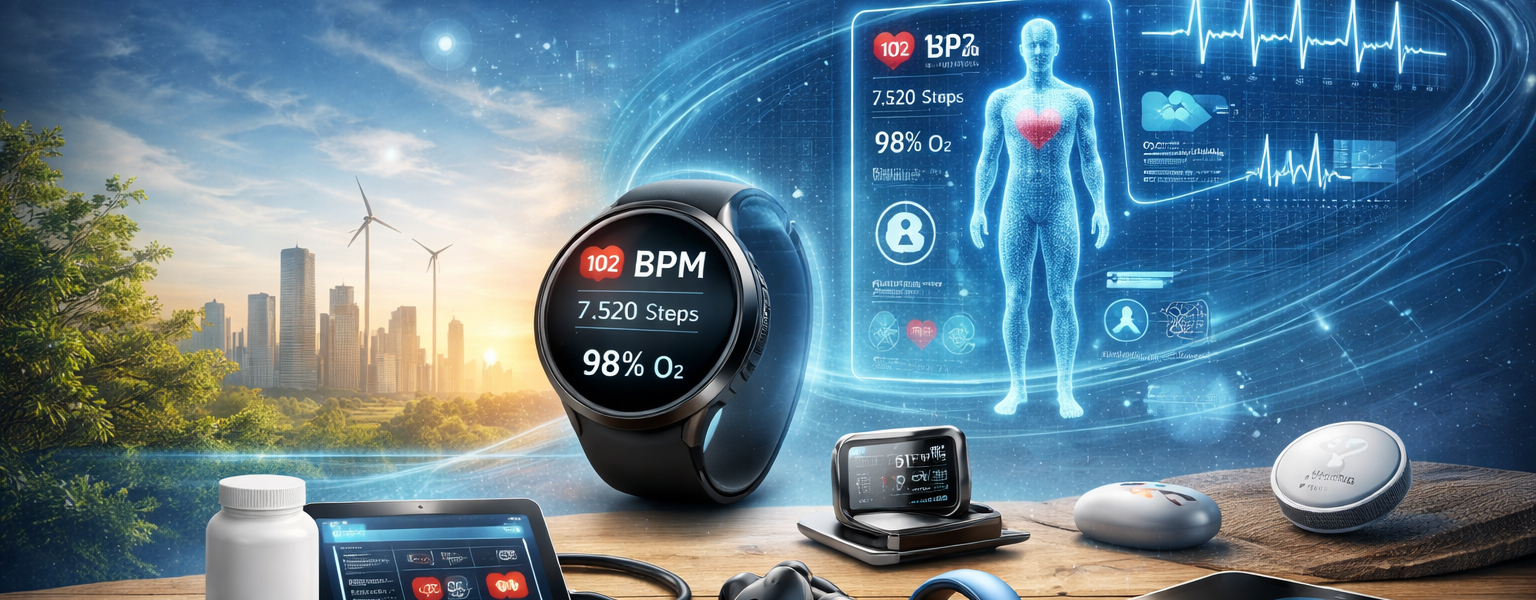
Wearable technology refers to smart electronic devices designed to be worn on the body to collect, track, and analyze health and fitness data in real time. These devices include smartwatches, fitness bands, and advanced biosensors that monitor vital signs such as heart rate, activity levels, and sleep patterns. By combining sensors with software, wearable tech enables users to gain continuous insights into their physical well-being without visiting a healthcare facility.
Evolution of Health Monitoring Devices
Health monitoring devices have evolved significantly from basic pedometers to sophisticated digital tools capable of tracking multiple health metrics. Early devices focused only on step counting, but modern wearables now include features like ECG monitoring, blood oxygen tracking, and stress analysis. Advancements in miniaturization, wireless connectivity, and sensor accuracy have made it possible to integrate powerful health tracking systems into compact and comfortable designs.
Why Wearables Are Gaining Popularity
The growing demand for proactive healthcare solutions has fueled the popularity of wearable technology. People are becoming more health-conscious and prefer convenient ways to monitor their well-being daily. Wearables provide instant feedback, encourage healthier habits, and reduce dependency on traditional healthcare visits. Additionally, the integration of mobile apps and cloud platforms has enhanced accessibility and usability for users worldwide.
Types of Wearable Health Monitoring Devices
Fitness Trackers and Smartwatches
They monitor daily activities such as steps, calories burned, and heart rate. Many advanced models also offer GPS tracking, sleep monitoring, and workout analysis, making them ideal for fitness enthusiasts and beginners alike.
Medical-Grade Wearables
Medical-grade wearables are designed for clinical use and provide highly accurate health data. These devices are often prescribed by healthcare professionals to monitor conditions like heart irregularities or respiratory issues. They play a crucial role in remote patient care and ongoing health assessment.
Smart Clothing and Biosensors
Smart clothing integrates sensors into fabrics to track body movements, posture, and physiological signals. Biosensors embedded in wearable patches can monitor hydration levels, muscle activity, and temperature, offering a deeper understanding of the body’s performance.
Implantable and Advanced Devices
Implantable devices represent the most advanced form of wearable technology. These include devices placed inside the body to monitor or regulate health conditions, such as pacemakers and glucose monitors. They provide continuous and highly precise data for critical medical needs.
Key Features of Modern Wearable Health Devices
Heart Rate and ECG Monitoring
Modern wearables can track heart rate continuously and even perform ECG readings to detect irregular heart rhythms. This feature helps users identify potential cardiac issues early.
Sleep Tracking and Analysis
Sleep tracking technology analyzes sleep duration and quality, offering insights into sleep cycles and disturbances. This helps users improve their rest and overall health.
Blood Oxygen and Stress Monitoring
Devices now measure blood oxygen levels and stress indicators, helping users understand how their body responds to physical and emotional factors.
Activity and Fitness Tracking
Wearables track steps, workouts, and calories burned, encouraging users to stay active and maintain fitness goals consistently.
Real-Time Alerts and Notifications
Real-time alerts notify users about abnormal health readings, reminders to move, or irregular heart activity, enabling timely action and better health management.
Benefits of Wearable Tech in Personal Healthcare
Continuous Health Monitoring
Wearable devices provide round-the-clock health tracking, allowing users to monitor their body’s condition at any time without interruption.
Early Detection of Health Issues
By analyzing data trends, wearables can detect early signs of potential health problems, enabling preventive care and reducing risks.
Improved Fitness and Lifestyle Choices
Access to real-time data motivates users to adopt healthier habits, such as regular exercise, balanced diets, and better sleep routines.
Enhanced Patient Engagement
Wearable technology empowers individuals to take control of their health, increasing awareness and engagement in personal healthcare decisions.
Role of AI and Data Analytics in Wearable Health Tech
Personalized Health Insights
Artificial intelligence processes user data to deliver tailored health recommendations, making healthcare more personalized and effective.
Predictive Analytics in Healthcare
Predictive analytics uses historical data to identify potential health risks before they become serious, supporting preventive healthcare strategies.
Integration with Mobile Apps and Cloud Systems
Wearables seamlessly connect with mobile apps and cloud platforms, allowing users and healthcare providers to access and analyze health data anytime.
Wearable Technology in Chronic Disease Management
Diabetes Monitoring Devices
Wearable glucose monitors help individuals track blood sugar levels continuously, improving diabetes management and reducing complications.
Cardiovascular Health Tracking
Devices that monitor heart activity support patients with cardiovascular conditions by providing real-time data and alerts for irregularities.
Remote Patient Monitoring Systems
Remote monitoring systems enable healthcare providers to track patient health from a distance, improving treatment outcomes and reducing hospital visits.
Challenges and Limitations of Wearable Health Devices
Data Accuracy and Reliability Issues
Despite rapid advancements, wearable health devices still face challenges in data accuracy and reliability. Factors such as improper device placement, motion interference, and sensor limitations can affect readings. While these devices provide useful insights, they may not always match clinical-grade equipment, making it important for users to interpret results cautiously and consult professionals when needed for confirmation.
Privacy and Security Concerns
Wearable devices collect sensitive personal health data, raising concerns about privacy and data security. Unauthorized access, data breaches, and misuse of information are potential risks. Companies must implement strong encryption and transparent data policies, while users should remain aware of permissions and data-sharing settings to protect their personal information effectively.
Battery Life and Device Limitations
Battery life remains a practical limitation for many wearable devices. Frequent charging can disrupt continuous monitoring, reducing overall effectiveness. Additionally, some devices may lack advanced features due to size constraints, limiting their functionality. Improvements in battery technology and energy-efficient designs are essential to enhance user experience and reliability.
Cost and Accessibility
High-quality wearable health devices can be expensive, making them less accessible to a broader population. While prices are gradually decreasing, affordability remains a concern, especially in developing regions. Expanding access through cost-effective solutions and wider availability will be key to ensuring that more people benefit from wearable health technology.
Integration of Wearables with Healthcare Systems
Telemedicine and Remote Care
Wearable technology plays a vital role in telemedicine by enabling remote health monitoring. Patients can share real-time data with healthcare providers without visiting clinics, improving convenience and reducing healthcare costs. This integration supports timely interventions and enhances the overall efficiency of healthcare delivery systems.
Data Sharing with Healthcare Providers
Seamless data sharing between wearable devices and healthcare professionals improves diagnosis and treatment. Continuous data streams allow doctors to track patient progress over time, leading to more informed decisions. However, standardized data formats and secure communication channels are necessary to ensure accuracy and confidentiality.
Electronic Health Records (EHR) Integration
Integrating wearable data with electronic health records enhances patient care by providing a comprehensive health profile. This integration allows healthcare providers to access detailed information quickly, improving treatment outcomes. As technology evolves, better interoperability between devices and healthcare systems will further streamline medical processes.
Popular Wearable Health Devices in the Market
Leading Smartwatch Brands
Smartwatches dominate the wearable health device market, offering features such as heart rate monitoring, fitness tracking, and sleep analysis. These devices combine style with functionality, making them popular among users seeking both convenience and performance in daily health monitoring.
Specialized Medical Wearables
Specialized medical wearables are designed for specific health conditions, such as heart monitoring or glucose tracking. These devices provide more precise data and are often used under medical supervision. Their role in managing chronic conditions continues to grow as technology advances.
Emerging Startups and Innovations
Innovative startups are driving the wearable technology industry forward by introducing unique solutions and cutting-edge designs. From smart patches to advanced biosensors, these innovations are expanding the possibilities of health monitoring and making wearable tech more versatile and efficient.
Future Trends in Wearable Health Technology
Advanced Biosensors and Nanotechnology
Future wearable devices will incorporate advanced biosensors and nanotechnology to deliver highly accurate and detailed health data. These innovations will enable continuous monitoring of multiple health parameters with minimal user effort.
Non-Invasive Health Monitoring
Non-invasive monitoring techniques are becoming a major focus in wearable technology. Devices capable of tracking vital metrics without needles or invasive procedures will improve user comfort and encourage widespread adoption.
AI-Powered Preventive Healthcare
Artificial intelligence will play a key role in transforming wearable devices into proactive healthcare tools. By analyzing patterns and predicting potential health risks, AI will help users take preventive actions before issues become serious.
Integration with Augmented Reality (AR)
The integration of augmented reality with wearable devices will enhance user interaction and data visualization. This combination can provide real-time health insights in an immersive and intuitive manner, improving overall user engagement.
How to Choose the Right Wearable Health Device
Key Features to Consider
When selecting a wearable health device, users should evaluate features such as tracking capabilities, accuracy, and compatibility with their health goals. Choosing the right features ensures a more effective and personalized experience.
Budget and Compatibility
Budget plays an important role in decision-making. Users should select devices that offer the best value while ensuring compatibility with their smartphones and existing technology ecosystem.
Accuracy and Certifications
Devices with certifications or clinical validation provide more reliable data, making them a better choice for serious health tracking.
User Experience and Design
Comfort, design, and ease of use are essential factors. A well-designed device that fits seamlessly into daily life encourages consistent usage and better long-term results.
Conclusion
Wearable health technology continues to reshape personal healthcare by offering convenient, real-time insights into physical well-being. While challenges such as accuracy, privacy, and cost remain, ongoing innovation is addressing these limitations. With improved integration, advanced features, and growing accessibility, wearable devices are set to play an increasingly important role in modern healthcare, empowering individuals to take control of their health more effectively.